

- 30 apr 2027

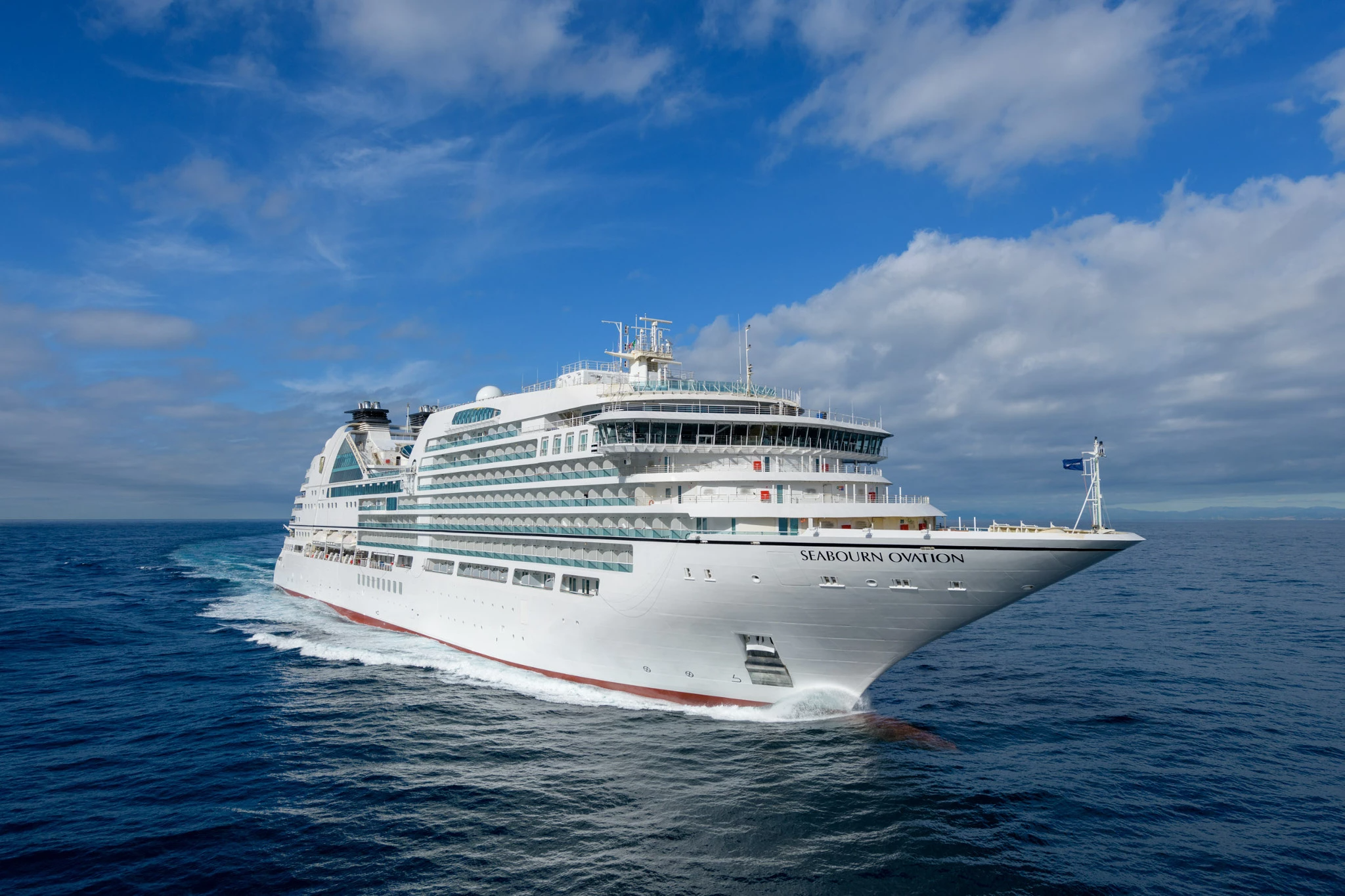
- Seabourn Ovation
- Volwassenen
- Genua
*Exclusief Calamiteitenfonds à € 2.50 per reservering en SGR bijdrage à € 5,- per persoon.

*Exclusief Calamiteitenfonds à € 2.50 per reservering en SGR bijdrage à € 5,- per persoon.
Genoa (Genova) is a port city and the capital of northwest Italy’s Liguria region. It’s known for its central role in maritime trade over many centuries. In the old town stands the Romanesque Cathedral of San Lorenzo, with its black-and-white-striped facade and frescoed interior. Narrow lanes open onto monumental squares like Piazza de Ferrari, site of an iconic bronze fountain and Teatro Carlo Felice opera house.
The Gulf of La Spezia has been so frequent a subject for poets over the years – from Dante and Petrarch to Byron and Shelley – that it is often referred to as the Golfo dei Poeti. The elongated yellow and orange houses, which line the harbor stretch up the steep slope toward ancient battlements beyond. Mentioned as a landing place in Claudius Ptolemy’s “General Geography” (150 AD), today Portovenere is a resort with a friendly and relaxed atmosphere.
The scented isle of Corsica, birthplace of Napoleon, was controlled for centuries by Genoa and did not become a region of France until 1768. As late as the last century, the rugged island was still a haven for bands of brigands. Today, the island’s inviting beaches and scenic beauty attract an increasing number of tourists hoping to escape the much more hectic pace of the Riviera. Bonifacio, perched at the top of towering white cliffs, is a striking sight from the sea. Watch for the 15th-century staircase carved into the cliff face which runs right down to the water’s edge as you approach the harbor.
The pleasingly green, quiet island of Sardinia offers the visitor scenic beauty and a relaxed lifestyle. Cagliari, the island’s capital, features handsome Italianate architecture and several churches reflecting a variety of influences. Impressive views are provided by the city’s hillsides, with one of the best panoramas available from the old walls of Terrazzo Umberto. The island’s natural charm has attracted pleasure-seekers to the Costa Smeralda since the Aga Khan sought shelter ashore from a storm at sea.
La Goulette, known in Arabic as Halq al-Wadi, is the port of Tunis, the capital of Tunisia. The Kasbah fortress was built in 1535 by Charles I of Spain but was captured by the Ottoman Turks in 1574
Bright stone buildings mark the rambling layout and baroque architecture of Trapani. Extending out into the sea, the towns characteristic shape of a scythe, frames the majestic Tower of Ligny, which rises from its most extreme point. Originally under Arab dominion, Trapani was a blossoming center for the production of salt, tuna, and coral. The city became famous throughout the Old World in the 16th century, when the work of Trapanese coral artisans was revealed. Their gorgeous collection of works in coral is preserved in the Pepoli Museum.
Palermo, de hoofdstad van Sicilië, is een prachtig chaotische, verbrokkelde mix van oud en nieuw, een canvas waarop de complexe en steeds veranderende geschiedenis van de regio geschilderd is. Door de eeuwen heen hebben naties uit alle hoeken van de wereld de haven van Palermo beheerst, van de Feniciërs, Grieken en Romeinen tot Arabieren uit Noord-Afrika en daarna de Normandiërs uit Frankrijk, die toezagen op een renaissance waarin veel van Palermo’s iconische herkenningspunten en moderne toeristische bezienswaardigheden werden gebouwd. Kies voor een dagtrip van Palermo naar de Vallei van de Tempels in Agrigento, dat op de werelderfgoedlijst van UNESCO staat, om de overblijfselen van oude rijken te zien. De Griekse en Romeinse ruïnes, waaronder de Tempel van Concordia, zijn nog bijzonder intact. Verken in de stad zelf de bezienswaardigheden in historische buurten zoals het Arabische district van La Kalsa, waar het rijkversierde Palazzo Mirto staat. De Quattro Canti (Vier Hoeken) liggen in het centrum van de oude stad, met Piazza Pretoria op de hoek. Vanaf hier is het niet ver naar Palermo’s Palazzo dei Normanni, ook een locatie die op de werelderfgoedlijst van UNESCO staat en een van Palermo’s topattracties, waar de Palatine Chapel, beroemd om zijn complexe mozaïeken, gevestigd is. Palermo is ook een perfecte uitvalsbasis voor uitstapjes naar de idyllische stranden van Mondello, het middeleeuwse kustplaatsje Cefalù en het bergdorpje Monreale, dat bekendstaat om de bijzondere Normandische kathedraal.Palermo, de hoofdstad van Sicilië, is een prachtig chaotische, verbrokkelde mix van oud en nieuw, een canvas waarop de complexe en steeds veranderende geschiedenis van de regio geschilderd is. Door de eeuwen heen hebben naties uit alle hoeken van de wereld de haven van Palermo beheerst, van de Feniciërs, Grieken en Romeinen tot Arabieren uit Noord-Afrika en daarna de Normandiërs uit Frankrijk, die toezagen op een renaissance waarin veel van Palermo’s iconische herkenningspunten en moderne toeristische bezienswaardigheden werden gebouwd. Kies voor een dagtrip van Palermo naar de Vallei van de Tempels in Agrigento, dat op de werelderfgoedlijst van UNESCO staat, om de overblijfselen van oude rijken te zien. De Griekse en Romeinse ruïnes, waaronder de Tempel van Concordia, zijn nog bijzonder intact. Verken in de stad zelf de bezienswaardigheden in historische buurten zoals het Arabische district van La Kalsa, waar het rijkversierde Palazzo Mirto staat. De Quattro Canti (Vier Hoeken) liggen in het centrum van de oude stad, met Piazza Pretoria op de hoek. Vanaf hier is het niet ver naar Palermo’s Palazzo dei Normanni, ook een locatie die op de werelderfgoedlijst van UNESCO staat en een van Palermo’s topattracties, waar de Palatine Chapel, beroemd om zijn complexe mozaïeken, gevestigd is. Palermo is ook een perfecte uitvalsbasis voor uitstapjes naar de idyllische stranden van Mondello, het middeleeuwse kustplaatsje Cefalù en het bergdorpje Monreale, dat bekendstaat om de bijzondere Normandische kathedraal.
Originally built by Emperor Trajan who had a villa here, Civitavecchia has flourished as a major port for Rome since the 13th century. Today it is an important ferry terminal and for many travelers the gateway to the Eternal City, Rome. The Renaissance fortifications that surround the harbor area were begun by Bramante and completed by Michelangelo in 1535.
This harbor on the eastern shore of Sicily near Messina gives us close access to the fabulous Greco-Roman ruins of Taormina, as well as the active volcano Mt. Etna. The temples, streets and large amphitheater of Taormina make it one of Italy’s premier ancient sites. Its location overlooking the sea and with the backdrop of snow-capped Etna complete the package and make it among the most famous attractions in the Mediterranean region. Giardini Naxos itself boasts a lovely beach at Lido Europa, and intrepid visitors can climb Mt. Etna to see a volcano close up
Occupied successively by the Phoenicians, Greeks, Carthaginians, Romans, Arabs, French and British, Malta has been of strategic importance throughout history. A British Crown Colony until 1964, Malta received the George Cross for its valiant resistance to German occupation in WWII. The island’s rich heritage is reflected in the architecture of Valletta, the current capital, and Medina, the capital until 1565. In Valletta the Knights of St. John built such masterpieces as St. John’s Co-Cathedral and the Palace of the Grand Masters, along with the fortifications that guard the town’s magnificent harbors.
Forten en vissersdorpen, stranden en bazaars, zeilhavens en zeekusten – Toen Marco Polo op weg was om het oosten in 1271 te verkennen, zijn dit de schatten die hij in zijn geboortestad achterliet. Sommige elementen zijn weinig veranderd in de met rood overdekte, zonovergoten Korcula.
One of the best preserved medieval towns of the Adriatic, Kotor is protected by UNESCO. Between 1420 and 1797, the area was under the rule of the Republic of Venice and the Venetian influence can be seen in its architecture. The Gulf of Kotor is sometimes called the southernmost fjord in Europe, although it is actually a submerged river canyon. The overhanging limestone cliffs of Orjen and Lovcen complete one of the Mediterranean’s most beautiful landscapes.
Founded in the 7th century, Dubrovnik rose to greatness as a merchant state, independent republic and cultural crossroads. The traffic-free Old Town has been called a Croatian Athens. This UNESCO designated World Heritage Site is a living museum of the ages with fortifications, chapels, monastic cloisters and Europe’s second-oldest synagogue crowded into its ancient walls. Relax at a sidewalk café, listen to the chimes of the 14th-century bell tower or join the promenade down the palace-lined avenue known as the Stradun.
One of the best preserved medieval towns of the Adriatic, Kotor is protected by UNESCO. Between 1420 and 1797, the area was under the rule of the Republic of Venice and the Venetian influence can be seen in its architecture. The Gulf of Kotor is sometimes called the southernmost fjord in Europe, although it is actually a submerged river canyon. The overhanging limestone cliffs of Orjen and Lovcen complete one of the Mediterranean’s most beautiful landscapes.
Set on a peninsula between two arms of the Adriatic Sea, Brindisi was an important port of the Roman Empire, and later for the East India Company. In the 2nd century BC the Appian Way was built, linking the port to Rome, and a column near the harbor marks the end of that famous route. It is here that in 71 BC, the gladiator Spartacus led thousands of rebel slaves in an unsuccessful escape. Today visitors find Romanesque churches, a 13th-century castle and, in the surrounding Apulia region, remains of ancient Messapian culture.
Groen en prachtig, Corfu is de meest weelderige van alle Griekse eilanden. Volg bochtige wegen langs bosjes van oude knoestige olijfbomen; blijven hangen in de elegante Parijse arcade.
Itea is a small bathing resort and port at the end of a bay not too far from the ancient port of Delphi. The hills are covered with olive trees belonging to the sanctuary of Apollo in ancient times. Referred to as a “sea of olives,” their production is now an important part of the local economy.
Gythion, the small port town for Sparta, edges its way up the hillside, which surrounds the harbor. According to Homer, Paris and Helen spent their first night together here, on a tiny islet in the bay. To commemorate the occasion, Paris erected a shrine to Aphrodite, goddess of love, only to have it torn down by the vengeful Menelaus after he recaptured Helen. In its place Menelaus erected statues honoring Praxidica (Punishment) and Themis (Justice). Not far away, at the tip of the Peloponnese, lies the Mani, a distinctive area unlike anything else in Greece. This desolate region of underground lakes and rivers and windswept landscapes is strangely beautiful. To the north of Gythion lie Sparta and Mystra, well worth a visit.
Piraeus has been the port for Athens since 482 BC. The busy harbor is filled with ferries and cruise ships making their way to the Greek Islands and other Mediterranean cities. The busy metropolis of Athens and its treasure trove of antiquities lie just a few miles from the port. Even as the reality of the modern city took hold, with its high-rise apartments, crowded sidewalks and bustling traffic, the beauty of the Acropolis, the outstanding museums, charming cafés, sidewalk markets and startling views come together in a cultural mosaic for all to enjoy.
Monemvasia was once on the Peloponnese mainland. Then an earthquake turned it into an island. It is now joined to the mainland by a narrow causeway that limits access, originally for reasons of defense. The tall, flat isle is completely honeycombed with nooks and grottoes, narrow alleys and rock-carved rooms. Clearly it was a formidable redoubt in times of attack, and earned its nickname the Gibraltar of the East. The upper town, long uninhabited, has narrow pathways leading to the Byzantine Aghia Sophia church, and remains of the medieval fortress and walls. In the lower town, look for the bell tower that leads you to Elkomenos Square, with its namesake medieval Elkomenos Christos church and a small museum.
“Ook op Kreta: prachtig berglandschap, prachtige stranden.
Monumenten en hoogtepunten in Heraklion:
*25 augustus Street: Deze voetgangersstraat herbergt een verscheidenheid aan neoklassieke gebouwen. Deze straat verbindt de haven met Lion Square.
*Fort van Koules: Dit fort werd gebouwd om de haven te beschermen tegen indringers van buitenaf en werd gebouwd in de 15e eeuw. Koules betekent fort in het Turks, maar de Venetianen noemden het Rocca al Mare. De buitenkant van het fort heeft een plaquette van de gevleugelde leeuw van San Marco.
*Lion Square: Dit is een geweldige plek om Bougatsa, een typisch Grieks ontbijtgebak, uit te proberen.
*Morosini-fontein: De fontein bevindt zich op Lion Square en is een populaire ontmoetingsplaats. Het werd in de 17e eeuw in opdracht van Francesco Morosini gemaakt om de opening van een aquaduct te herdenken.
*Paleis van Knossos: Een plek die u zeker wilt bezoeken, zijn de ruïnes van het Minoïsche paleis van Knossos. Deze locatie zou het oorspronkelijke labyrint van de Minotaurus bevatten en is meer dan 3700 jaar oud.”
The quintessential Greek island of Mykonos is marked by whitewashed houses, domed churches, imposing windmills, and a labyrinth of winding streets designed to disorient pirates. Everywhere there is a dash of bright, bold blue – doors, shutters and window frames, sea and sky. The harbor bustles with colorful fishing boats, vendors selling fish and locals gathered with visitors in the casual seaside cafes. The port even comes with two beloved mascots, the pelicans Petros and Irini.
“Cesme, gelegen aan het meest westelijke uiteinde van Turkije, is een ideale locatie voor de zonovergoten reiziger. Als een waar bewijs van zijn gouden eeuw, is Cesme bezaaid met talloze gebouwen uit de 14e eeuw, zoals het standbeeld van Cezayirli Gazi Hasan Pasha en het kasteel van Cesme dat de skyline van de stad domineert. Een cruise naar Cesme plaatst u in het hart van de beste culinaire cultuur van Turkije. IJs, verschillende soorten jam, woestijnen en sauzen, allemaal lokaal bereid, passen perfect bij Cesme’s grote zeevruchten. Er zijn talloze hotels, jachthavens en visrestaurants in Cesme. De achterkant van de stad is bekleed met traditionele Ottomaanse huizen en villa’s. Hieronder staan enkele van de activiteiten en plaatsen die u zou moeten verkennen tijdens uw cruise naar Cesme:
-Geschiedenisliefhebbers zullen genieten van een dag vol avontuur in het kasteel van Cesme. In 1508 gaf de toenmalige Ottomaanse heerser Bayezid II de opdracht om het te bouwen. Het herbergt nu twee musea en tentoonstellingen van artefacten uit de oude site van Erythria.
-Liefhebbers van windsurfen zullen zich prima vermaken op de wind en golven van de stad Cesme. De kustplaats wordt vaak de windsurfhoofdstad van Turkije genoemd. Het is uitgeroepen tot de op twee na beste plaats ter wereld om te windsurfen.
-Breng een bezoek aan de oude binnenstad van Cesme (centrum) als u meer wilt weten over de diepe Turkse geschiedenis en cultuur.”
“Kusadasi is een van de eerste toeristenbadplaatsen van Turkije. Het is gelegen aan een baai in een schitterende omgeving. De stad ontleend zijn naam aan het duiveneilandje dat voor de kust ligt. De vertaling van Kusadasi is letterlijk vogeleiland.
In het centrum van Kusadasi treft u verder aan; een fraaie jachthaven, een vissershaven, een mooie boulevard met wandelpromenade en het stadsstrand (kunstmatig aangelegd). In het gezellige winkelcentrum met de overdekte bazaar, de nauwe straatjes, restaurants en terrasjes raakt u voorlopig niet uitgekeken. Degenen die van uitgaan houden komen zeker aan hun trekken. In de bekende barstraat vindt u barretjes en disco’s te kust en te keur.
Stranden
Grote zandstranden met helder water vindt u op ongeveer 10 minuten afstand, zoals het beroemde Ladies Beach, Silver Beach en Long Beach. Minibusjes bieden dagelijks goedkoop vervoer naar deze prachtige stranden.
Door de gunstige ligging is Kusadasi een ideaal uitgangspunt voor mooie excursies, de mogelijkheden zijn o.a.:
-Een onvergetelijke excursie naar de beroemde havenstad Ephese met haar oudheidkundige opgravingen
-Een boottocht naar het Griekse eiland Samos
-Excursie naar de beroemde witte kalksteenterrassen overstroomd door het heilzame warme bronwater in Pamukkale”
Spanning Europe and Asia, exotic Istanbul is one of the world’s most fascinating cities. Domes and minarets enhance the skyline. In the old Stamboul area, traces remain of every city built since the community was established over 600 years before Christ. Once Rome’s eastern capital, Istanbul was also the center of the huge Ottoman Empire. Landmarks include Hagia Sophia, once Christendom’s greatest church; the Blue Mosque with its striking Iznik tiles; Topkapi Palace, containing a sultan’s ransom of treasures; Chora Church with its Byzantine mosaics; and the Grand Bazaar, the ultimate shopping experience.
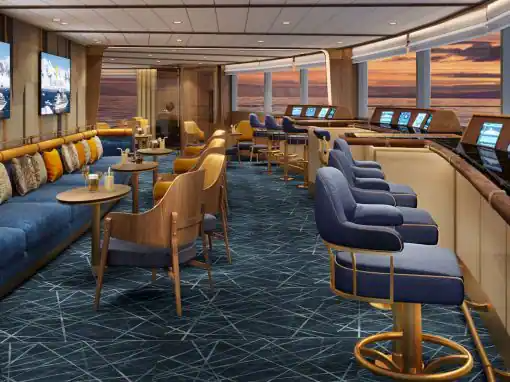
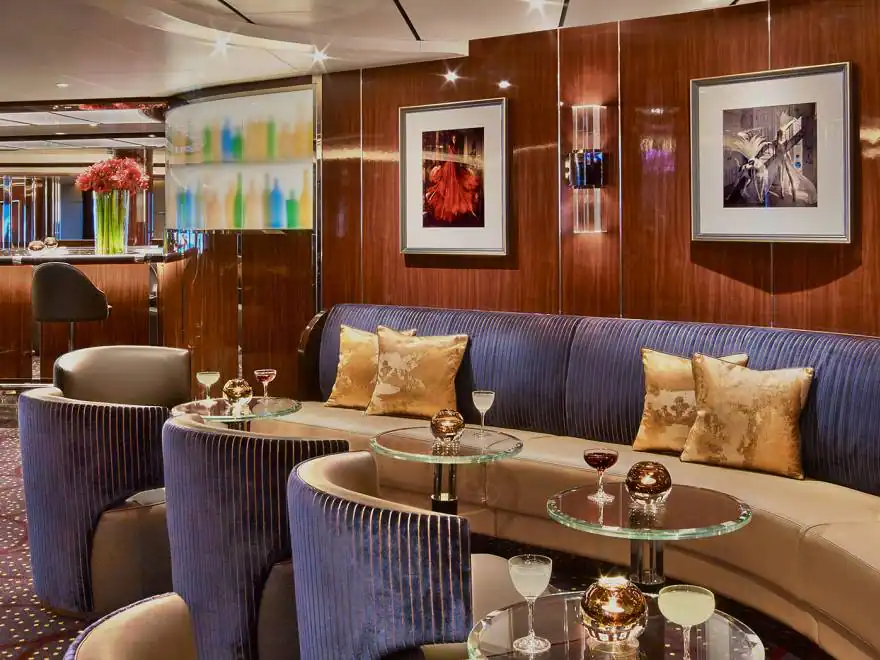
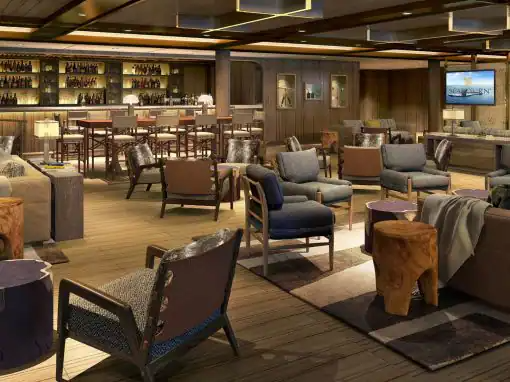
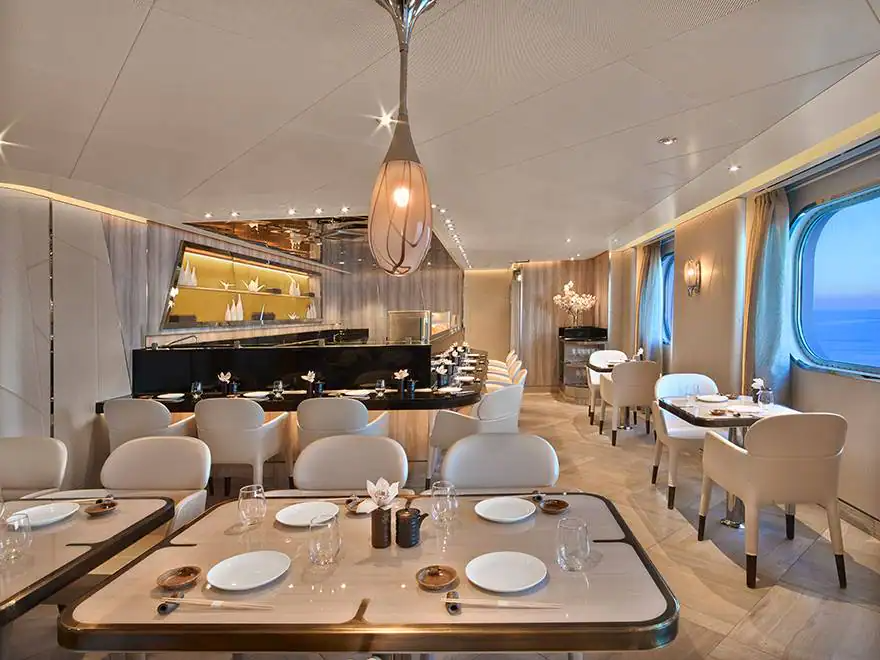
Wir definieren ultra-luxuriöse Kreuzfahrten neu … wieder einmal. Seabourn feiert 30 Jahre an Bereicherungen und Verbesserungen der ultra-luxuriösen Kreuzfahrten, und wir sind stolz darauf, die nächste Stufe unserer Evolution präsentieren zu können. Wir begrüßen die Seabourn Ovation, das Schwesterschiff unserer bereits renommierten Seabourn Encore. Ihre Ankunft war die Krönung einer Flotte, die bereits über die neuesten, modernsten und beliebtesten Schiffe auf See verfügt. Sie zeichnet sich durch eine Reihe neuer Konzepte, eine erfrischende Designvision und zahlreiche inspirierte Ideen aus, mit der wir die anspruchsvollsten Reisenden der Welt erfreuen werden.
Wie schon bei der Seabourn Encore und Seabourn Ovation hat Seabourn auch hier mit dem Designmeister Adam D. Tihany zusammengearbeitet. Anerkannt als einer der besten Designer der Welt spezialisiert sich Tihany auf die Entwicklung eleganter, individueller Räumlichkeiten für die prestigeträchtigsten Restaurants, Hotels, Resorts und Wellness-Einrichtungen im Gastgewerbe. Er ist bekannt für seine einzigartige Fähigkeit, die besondere Persönlichkeit seiner Kunden und die Präferenzen der Gäste dieser Kunden in seinen Entwürfen zu verkörpern.
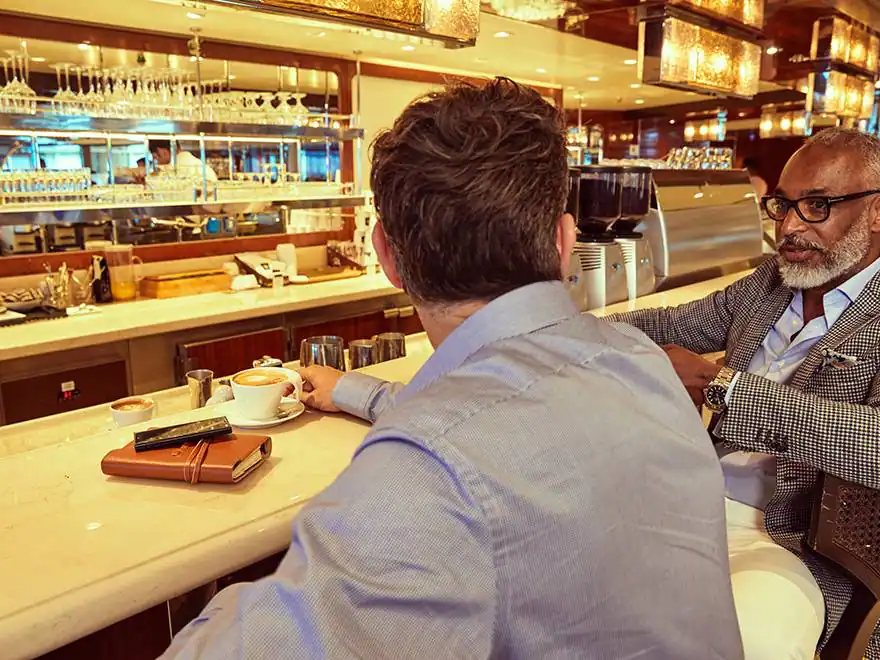
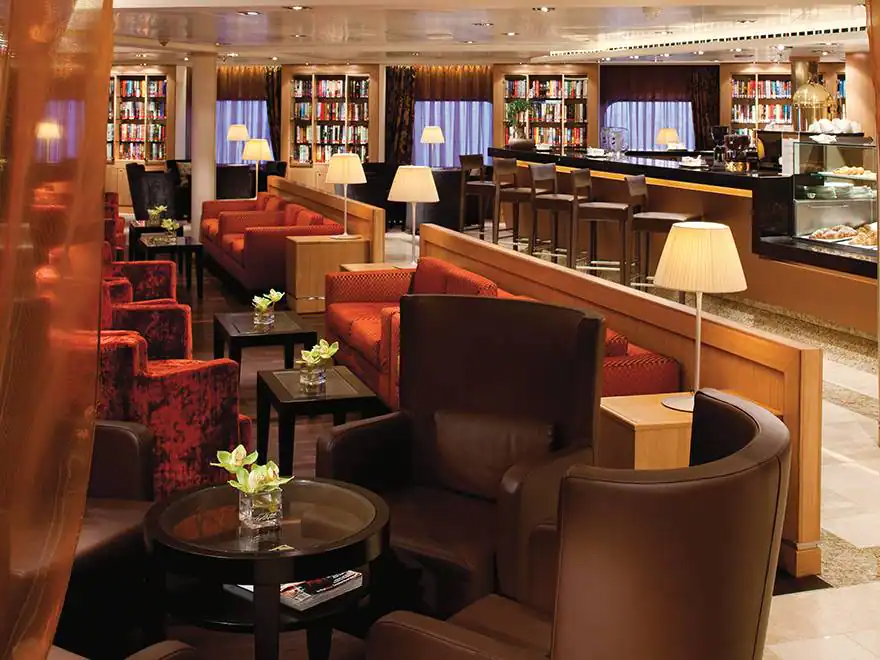
Coffee Bar
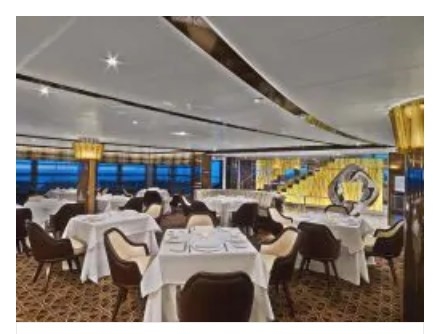
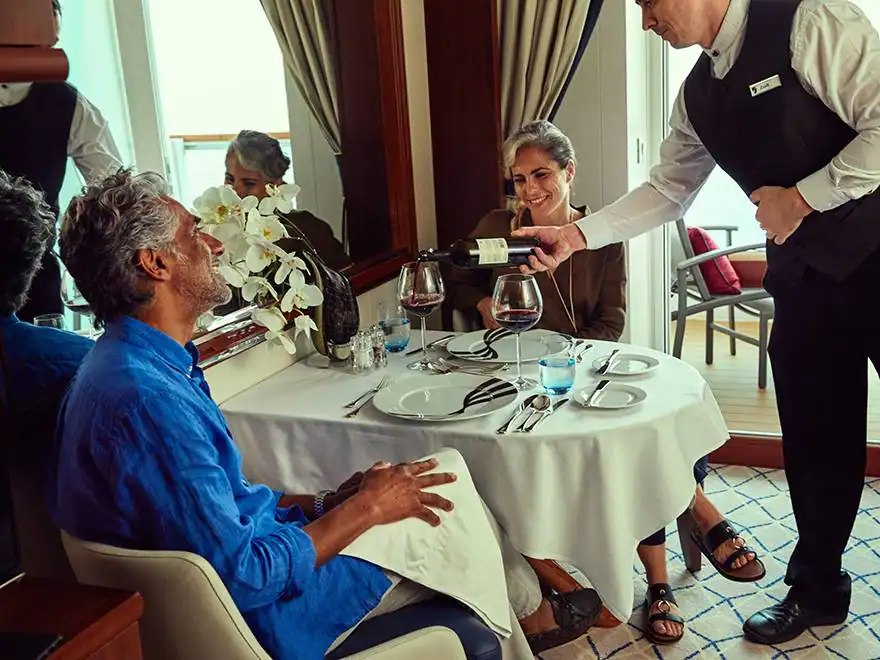
Dining Room
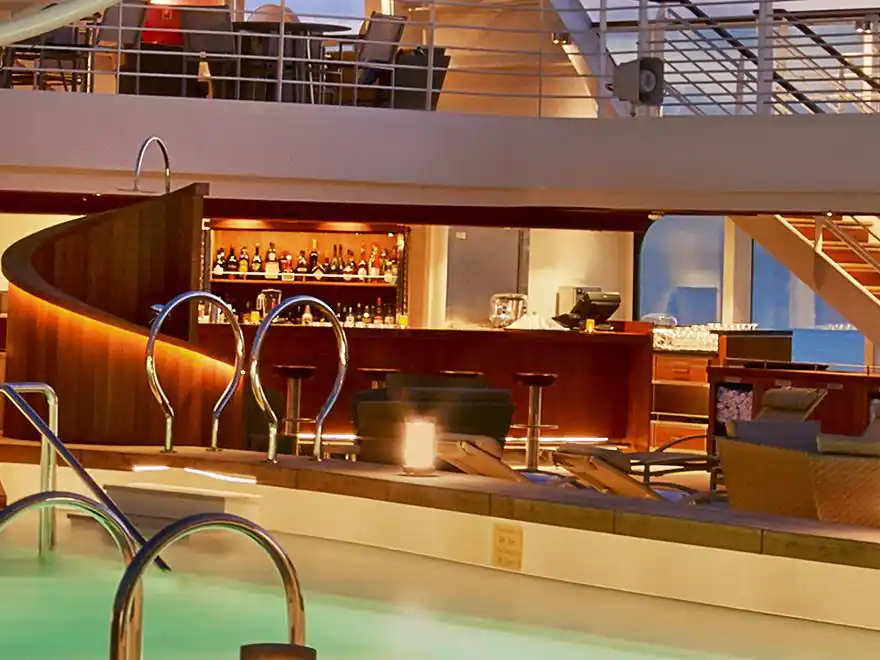
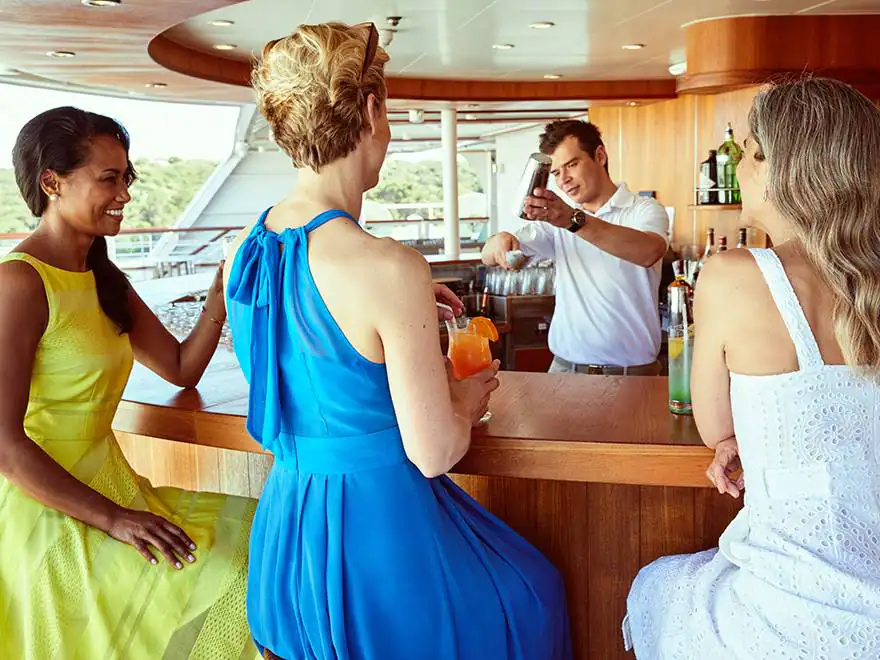
Mariners Patio Bar
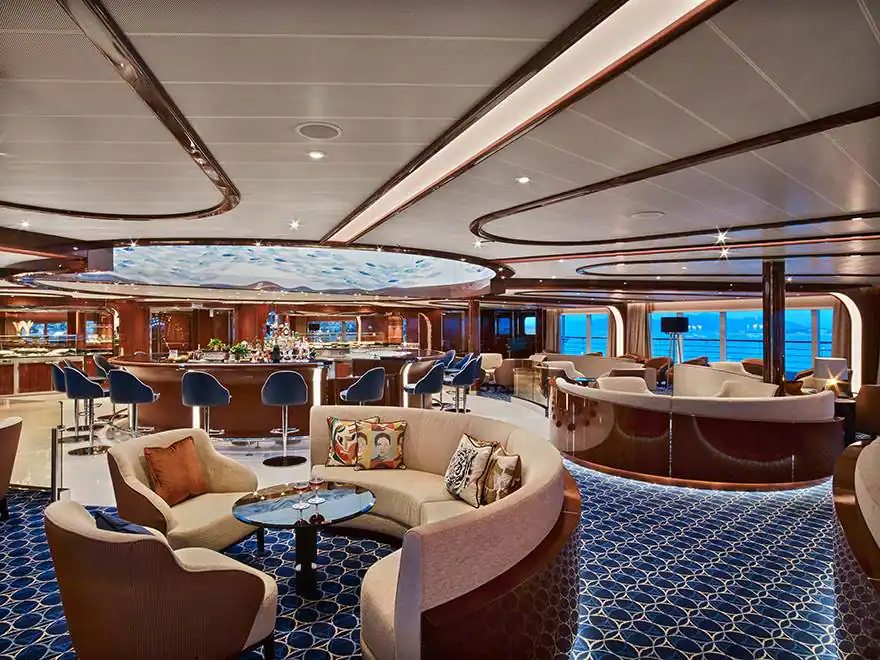
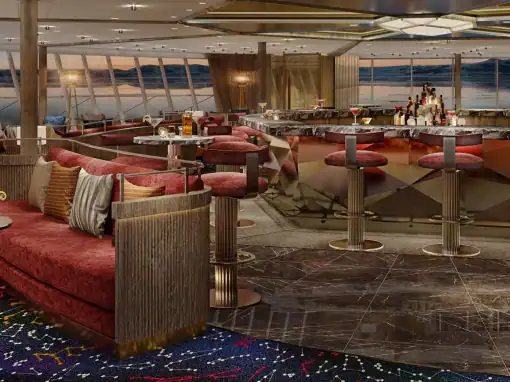
Sky Bar
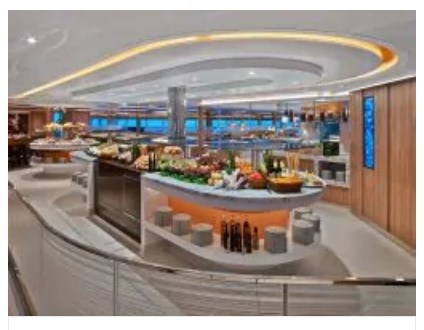
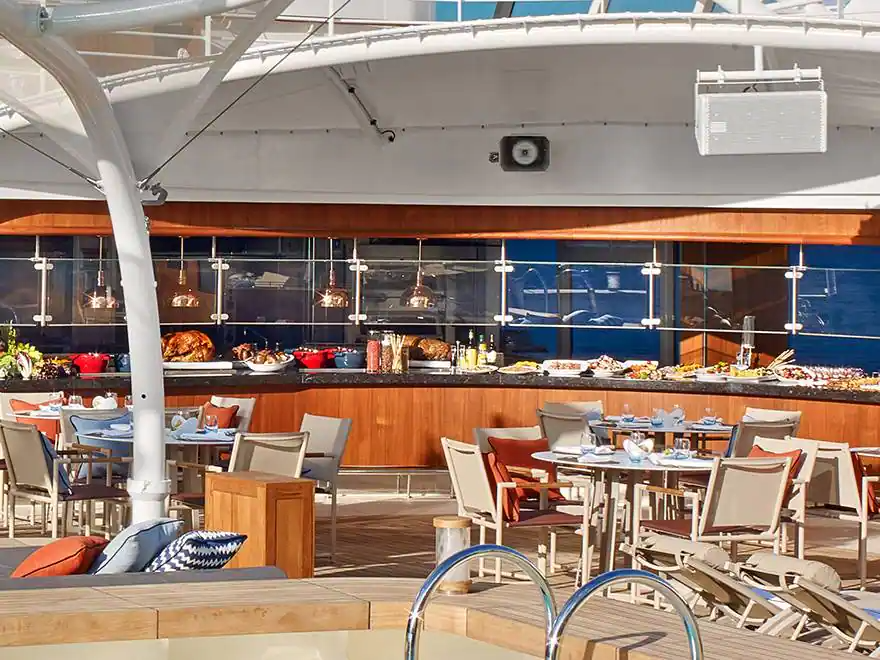
The Colonnade
Conference Room
Medischcentrum
Observation Deck
Winkel(s)
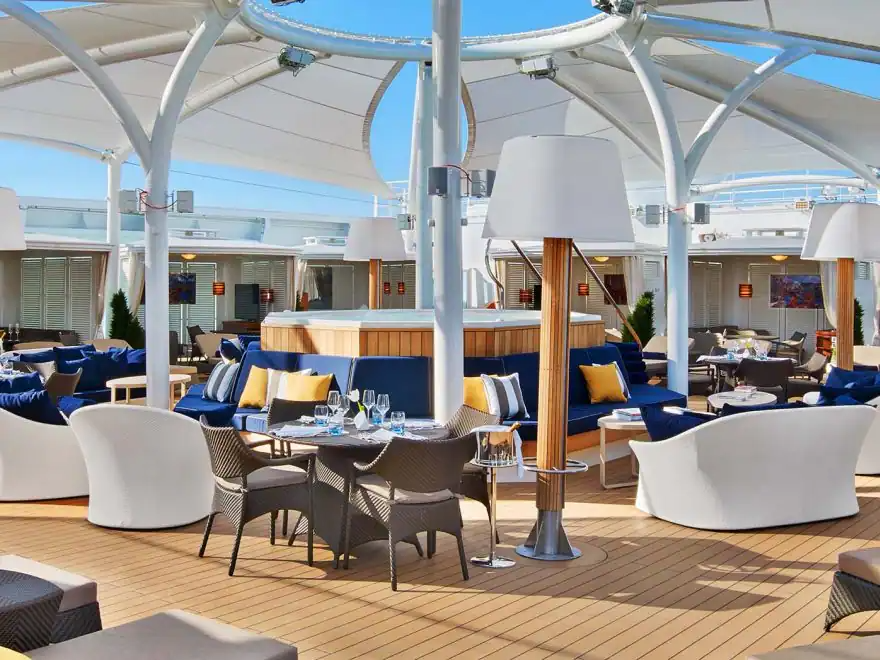
The Terrace
Foto Galerij
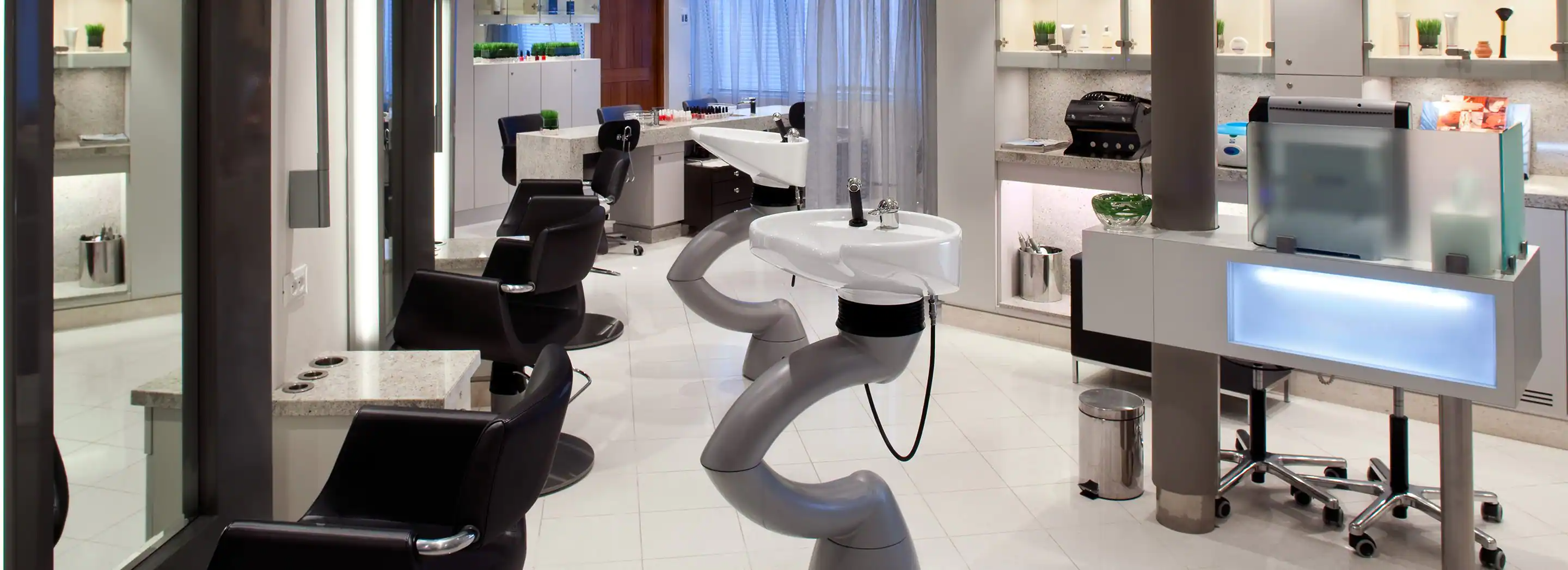
Spa
The Retreat
Bubbelbad(en)
Ruimte om te kaarten